Australia’s Heat Reality Check
Australia once again confronted an extreme heat reality that scientists had been warning about for decades. At the start of 2026, heatwave conditions spread across large parts of the continent, with temperatures above 40°C recorded across multiple states and some regions experiencing their hottest conditions in at least six years. For many Australians, the month felt confronting, exhausting and deeply unsettling. These events were not isolated anomalies. They reflected a persistent warming trend driven by human-induced climate change (ABC, 2026).
The Bureau of Meteorology described the early January heatwave as one of the most significant in recent years, with parts of south-eastern Australia forecast to exceed 45°C. Conditions like this increased risks to human health, strained essential infrastructure, threatened ecosystems and intensified bushfire danger.
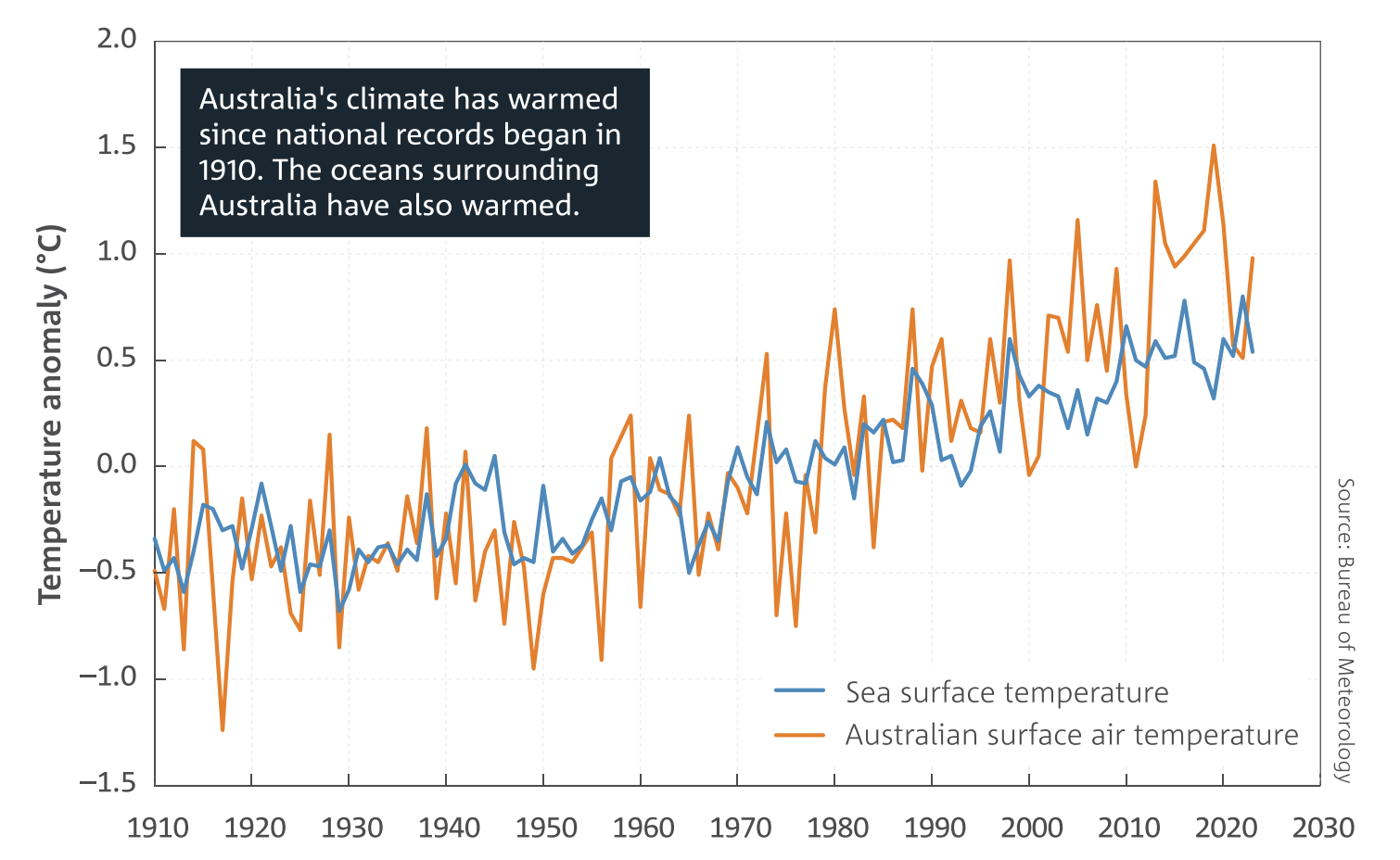
Source: Copernicus Climate Change Service (2025).
Heatwaves are becoming Australia’s new climate baseline
Australia’s climate had warmed by approximately 1.4°C since national records began, with the frequency and intensity of extreme heat events increasing markedly over recent decades (CSIRO & Bureau of Meteorology, 2024). What was once considered rare had become increasingly common.
Globally, this trend was reinforced by climate data confirming 2025 as one of the hottest years on record, continuing a multi-year period where global temperatures remained above the 1.5°C threshold on an annual average basis (Copernicus Climate Change Service, 2025). Scientists warned that sustained warming at these levels significantly raised the likelihood of prolonged and more severe heatwaves across Australia (Copernicus Climate Change Service, 2025).
Turning climate concern into meaningful action
One of the most common questions we heard, especially during the January heatwave, was: “I’m worried. I care. But what could I actually do that makes a real difference?”
For many people, part of the answer lay in where their money was invested.
Every super fund, investment portfolio and savings strategy helped shape the economy we were building. Capital either continued to support systems driving climate instability, or it could be directed toward solutions that reduced emissions, built resilience and supported a safer future.
How we help clients invest in climate solutions
At UNLESS Financial, we help clients align their money with the outcomes they want to see in the world. Our role is to meet people where they were and help them understand their options.
Across the portfolios we managed, many clients chose to allocate capital toward investments that support:
Climate-resilient infrastructure, including energy efficiency, cooling and heat-adaptation solutions.
Decarbonisation and energy transition efforts that reduced greenhouse gas emissions.
Sustainable water, land and agricultural systems designed for hotter, drier conditions.
Protection and restoration of natural ecosystems that played a critical role in climate stability.
While we do not reference individual fund names publicly in this article, the types of investments clients often hold included sustainability-focused equity strategies, climate and environment-themed investments, green and sustainable bonds and impact-oriented allocations that funded real-world climate solutions.
This approach allows clients to recognise climate risk as a financial reality and use their money thoughtfully to support long-term resilience, both for their portfolios and for our planet.
A place to start if you don’t already invest in climate solutions
If the January heatwave left you feeling worried, sad or uncertain about the future, you were not alone. And you do not need to have all the answers before taking the first step.
We are offering free 20-minute, no-obligation phone chats for people who want to understand how their money could better support climate solutions, or simply want to explore whether ethical investing feels right for them.
No pressure, just a conversation to see if UNLESS Financial is a good fit for you and whether we could help you put your money where it really matters. In a world that has begun to feel increasingly hot and uncertain, having your money working toward solutions can be a powerful place to begin.
Chat with us today: https://www.unless.financial/book-a-call
References
ABC (2026). 'Most significant' heatwave in six years brings temperatures above 45C. https://www.abc.net.au/news/2026-01-06/australia-heatwave-most-significant-in-six-years/106200088?utm
Copernicus Climate Change Service (2025). Global climate highlights and temperature records. https://climate.copernicus.eu/
CSIRO & Bureau of Meteorology (2024). State of the Climate 2024. https://www.csiro.au/en/research/environmental-impacts/climate-change/state-of-the-climate