Australia’s Green Investments Are Surging. Here’s How You Can Jump on Board.
Australia is moving decisively toward a cleaner, fairer economic future, even as global signals are volatile. New research from Impact Investing Australia (IIA) and the Centre for Social Impact shows that green, social and sustainability-linked investments have soared to A$157 billion domestically. Environmental projects alone account for A$137 billion of that figure (Impact Investing Australia, 2025).
This surge is happening despite the United States (U.S.) stepping back from climate-aligned finance following Donald Trump’s policy reversals. Australia appears to be charting its own course, and the momentum is unmistakable (The Guardian, 2025). For investors who want their money to make a difference, this shift opens meaningful doors.
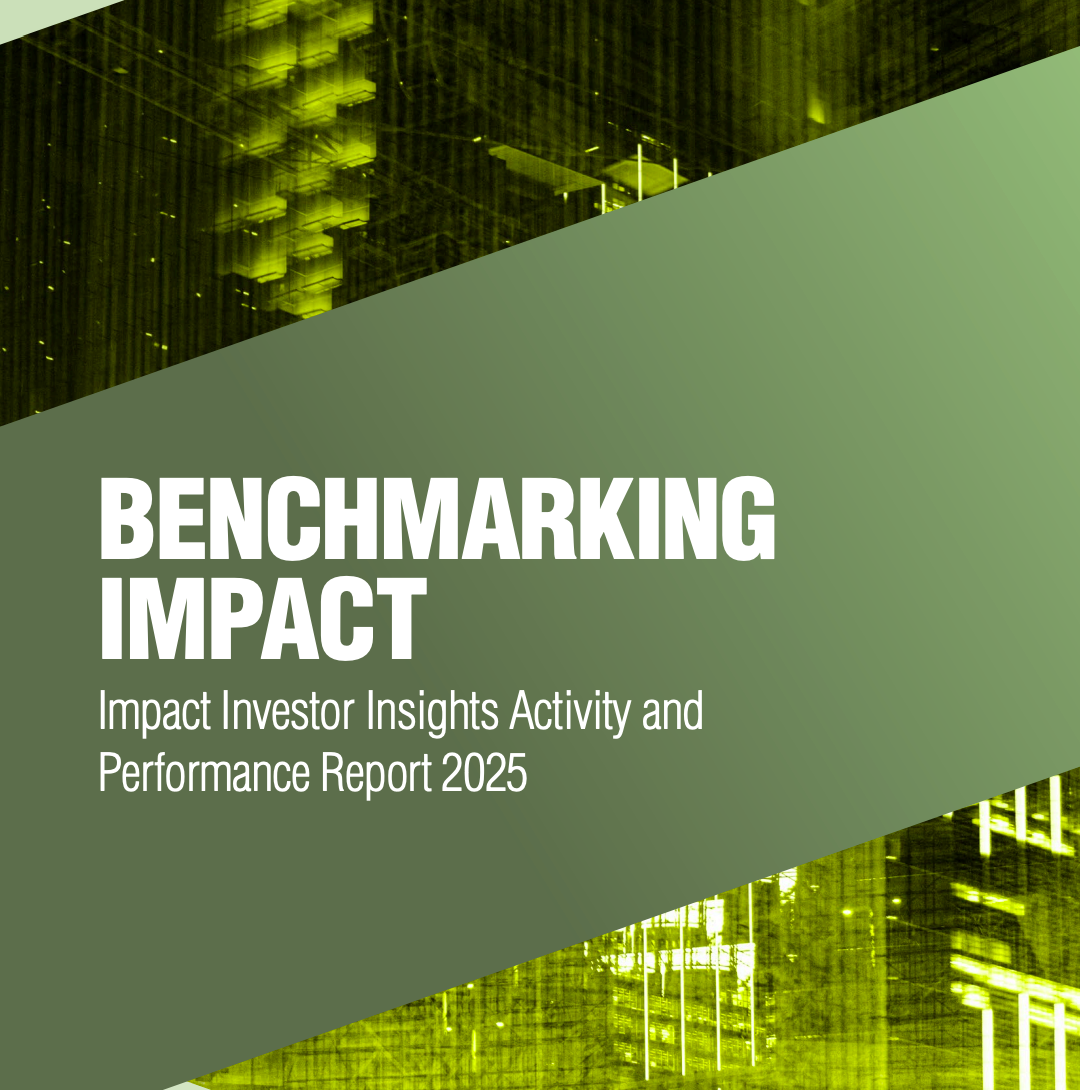
*Link to Impact Investing Australia’s Benchmark Report 2025 below.
Why this surge matters
Impact-aligned capital is reshaping the investment landscape:
Green, social and sustainable bonds grew from A$17 billion in 2020 to A$145 billion today.
One of Australia’s largest super funds has already committed almost A$1 billion to a green energy fund, with a further A$1 billion earmarked for broader impact investments by 2030.
Real-world outcomes are material: 110 million tonnes of emissions abated, 3 million trees planted, 1.3 million tonnes of landfill avoided, and 363 million litres of water recycled or returned to the environment (Impact Investing Australia, 2025).
For investors aged 30–50, particularly those newly curious about ethical and impact-aligned wealth building (yes, we’re looking at you!) this signals greater access, stronger project pipelines and higher confidence that sustainable investing is no longer niche. The market has grown up, put on a blazer and started speaking in measurable outcomes.
Challenges you should know
Rapid growth is a welcome signal, but it doesn’t erase the complexities that come with a maturing impact-investment market. Australia’s momentum sits alongside two structural challenges that deserve attention from anyone aiming to invest with clarity and purpose.
One of the biggest obstacles flagged in the research is the lack of a consistent definition for “impact”. Different managers use different frameworks, and some rely on self-selected metrics that aren’t easily comparable across funds. This creates a market where two investments can claim the same outcomes, yet be measuring completely different things (The Guardian, 2025).
Impact investing works best when outcomes are quantifiable, such as emissions reduced, energy generated, biodiversity restored, communities supported. Without standardised reporting, even well-intentioned investors can end up comparing apples with… sustainably sourced oranges. This is why global conversations continue around common frameworks such as the Impact Management Project (IMP), the UN Sustainable Development Goals (SDGs) and emerging Australian standards. Until consistency improves, due diligence remains essential.
The second challenge is greenwashing. ASIC has made it clear that sustainability claims must be backed by evidence, and recent enforcement activity shows regulators are taking this seriously (The Guardian, 2025). Greenwashing can show up in overstated overstated climate benefits, vague commitments with no timelines, selective disclosure of data or funds labelled “sustainable” that still invest in carbon-intensive industries. The good news is that regulatory scrutiny is increasing, investor expectations are rising, and the industry is steadily moving toward more transparent, audited reporting. But until that becomes standard practice, caution remains your best ally.
How to jump on board with confidence
Focus on verifiable impact: Look for investments that report outcomes with clarity emissions avoided, energy generated, water saved or social benefits achieved. These metrics help separate genuine impact from wishful thinking.
Diversify into credible sustainable assets: The rise in local green infrastructure, renewable energy projects and validated sustainability funds means you have more ways to invest in solutions that address our planet’s biggest challenges.
Ask the right questions: How are outcomes measured? How often are results published? What frameworks guide the reporting? A fund that can’t answer clearly probably isn’t the one.
Avoid chasing trends: The purpose of ethical investing isn’t to ride temporary hype. It’s to align wealth with values while maintaining long-term financial wellbeing. The current surge expands your toolkit.
Seek guided support: If your portfolio hasn’t been reviewed in a while, or if you’re new to aligning your wealth with environmental and social outcomes, consider professional guidance. A well-structured approach can ensure your capital works hard for both your future and our planet’s.
References
The Guardian (2025). Australian investment in green projects surges despite drastic US policy reversal, report shows. https://www.theguardian.com/australia-news/2025/nov/15/australian-investment-in-green-projects-surges-despite-drastic-us-policy-reversal-report-shows
Impact Investing Australia (2025). Benchmarking Impact: Australian Impact Investor Insights, Activity and Performance Report 2025. https://impactinvestingaustralia.com/benchmarking-impact-report-2025/