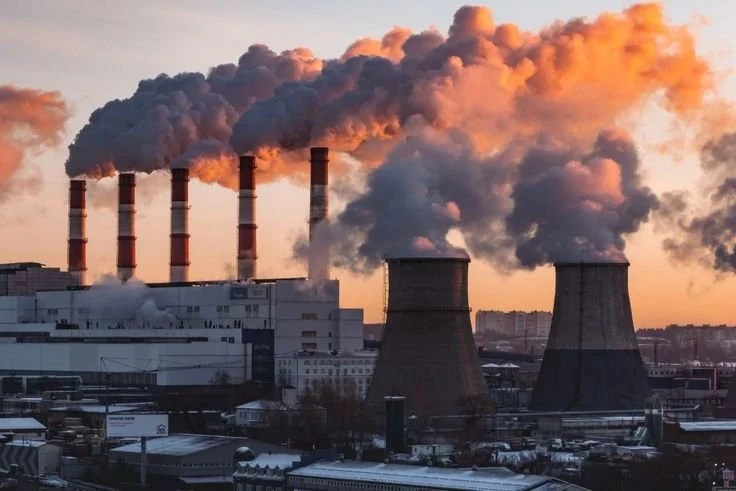
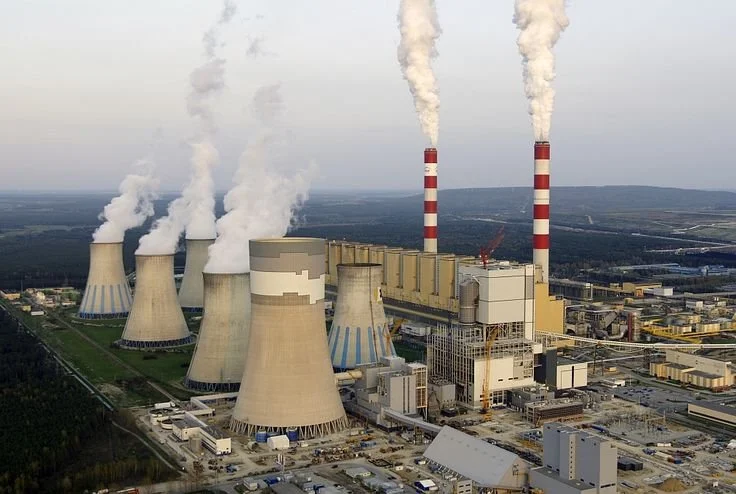
Methane doesn’t get as much airtime as carbon dioxide, but it probably should. Over a 20-year period, methane is more than 80 times more potent than CO₂ at trapping heat in the atmosphere (IEA, 2023). The flip side is that it also breaks down much faster. That makes methane one of the most powerful levers we have to slow warming in the near term.
Unlike many long-dated climate solutions, methane abatement is often cheap, measurable, and immediately actionable. The challenge isn’t whether we can reduce it, it’s whether we can fund it at scale and fast enough to make a difference (Trellis, 2026).
Why methane is the fastest climate win we have
Methane emissions come primarily from three sectors:
Oil and gas operations
Agriculture (especially livestock)
Waste (landfills and wastewater)
In many cases, the solutions already exist. Fixing leaks in oil and gas infrastructure, capturing landfill gas, or improving agricultural practices can deliver rapid emissions reductions, often with positive economic returns. The International Energy Agency (IEA) estimates that around 75% of methane emissions from oil and gas can be reduced with existing technologies, and up to half of those reductions could be achieved at no net cost (IEA, 2023). That’s rare in climate investing. It’s also why methane is increasingly seen as “low-hanging fruit.”
The real bottleneck
The challenge is a lack of investment frameworks that can measure, verify and monetise methane reductions with confidence.
Historically, methane projects have struggled with three key barriers:
Measurement uncertainty: Accurately quantifying methane reductions has been difficult, particularly in agriculture and waste.
Fragmented project pipelines: Many methane opportunities are small, distributed, and operational rather than “big infrastructure” plays.
Weak price signals: Carbon markets have often undervalued methane or failed to reward short-term climate impact.
This creates a gap between technical potential and investable opportunity.
What’s changing
New financing models are emerging that make methane reductions credible, measurable and investable.
High-integrity methane credits: A new generation of carbon credits is focusing specifically on methane, with improved monitoring technologies such as satellites, sensors and AI-driven detection. These systems allow for real-time measurement, independent verification, and clear attribution of emissions reductions.
Pay-for-performance finance: Rather than funding projects upfront with uncertain outcomes, investors are increasingly using results-based financing. Capital is deployed based on verified emissions reductions. This model reduces greenwashing risk, aligns incentives between investors and operators, and builds trust in outcomes.
Aggregation platforms: To unlock scale, smaller methane projects are being bundled together into diversified portfolios. Aggregation helps reduce transaction costs and improve risk diversification.
Blended finance and catalytic capital: Public and philanthropic capital is increasingly being used to de-risk early-stage methane projects, attracting private investment.
The ripple effects for investors
If methane finance scales successfully, the implications go well beyond emissions, as:
A new asset class emerges: Methane abatement could become a recognised category within climate infrastructure and carbon markets.
Faster climate impact timelines: Unlike long-dated transition investments, methane delivers visible results within years, not decades.
Higher standards for impact measurement: As verification improves, expectations across all ESG investments will rise.
Capital flows toward “real economy” solutions: Investors may increasingly prioritise projects with direct, measurable environmental outcomes, rather than relying solely on portfolio tilts.
References
International Energy Agency (2023). Global Methane Tracker 2023. https://www.iea.org/reports/global-methane-tracker-2023
Trellis (2026). How to fund measurable methane reductions at scale — and fast. https://trellis.net/article/how-to-fund-measurable-methane-reductions-at-scale-fast/